Madder - Red Is Not A Color I-II
Experimental / Hybrid / Short / 2026
6'53'' / aspect ratio 16:9 / 5.1 stereo
Ein Gedicht aus Etel Adnans The Arab Apocalypse und die Beschreibung eines Sonnenuntergangs durch den Filmemacher, werden sichtbar. Die Filmbilder scheinen eine andere Geschichte zu erzählen. Geraten Text und Bild in einen Konflikt?
A poem from Etel Adnan's The Arab Apocalypse and the description of a sunset by the film author become visible. The film images seem to tell a different story. Do text and image get into conflict?
concept, camera, drawings, sound: Alfred Andrea
.
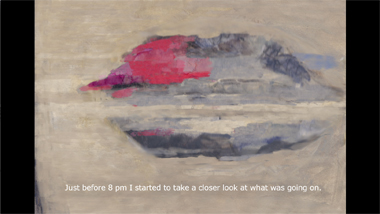
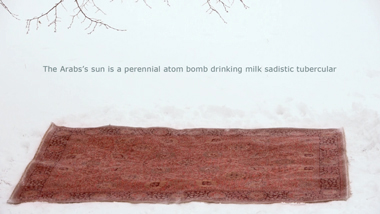
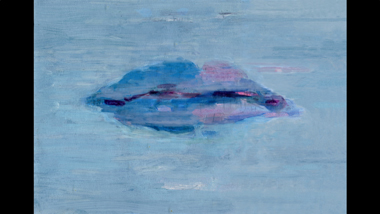
Ein Text aus The Arab Apocalypse der in Beirut geborenen Etel Adnan, der unter dem Eindruck des 1975 beginnenden libanesischen Bürgerkriegs entstand und ein roter Teppich, dessen Farbe durch Schneefall verschwindet, bilden den ersten Teil des Films. Eine zeichnerische Animation von Lippenformen und Farben, begleitet von der Beschreibung eines Sonnenuntergangs durch den Filmemacher, findet sich im zweiten Teil.
Die verwendeten kulturell aufgeladenen Codes im Film sammeln sich um den Titel Madder – Red Is Not A Color. Madder ist der englische Trivialname einer Färberpflanze aus dem westasiatischen Raum, die über Jahrtausende zur Rotfärbung verwendet wurde. Es ist aber auch die Steigerungsform eines Adjektivs, das nicht normatives, verrücktes oder zorniges Verhalten beschreibt.
Vier verschiedene Geschichten werden zueinander gestellt. Sie haben jedoch mehr Verbindungen als nur die der Farbe.
A poem out of The Arab Apocalypse by the Beirut-born artist Etel Adnan – written in the wake of the Lebanese civil war that began in 1975 – and an old red carpet, whose color is obscured by snowfall make up the first part of the film. The second part features a hand-drawn animation of lip shapes and colors, accompanied by the filmmaker's description of a sunset.
The cultural codes used in the film revolve around the title Madder – Red Is Not A Color.
“Madder” is the common English name for a dye plant native to Western Asia that has been used for thousands of years to produce red dye. It is also used as the comparative form of an adjective that describes non-normative, crazy or furious behavior.
Four stories are brought together. However, they share more than just a color.